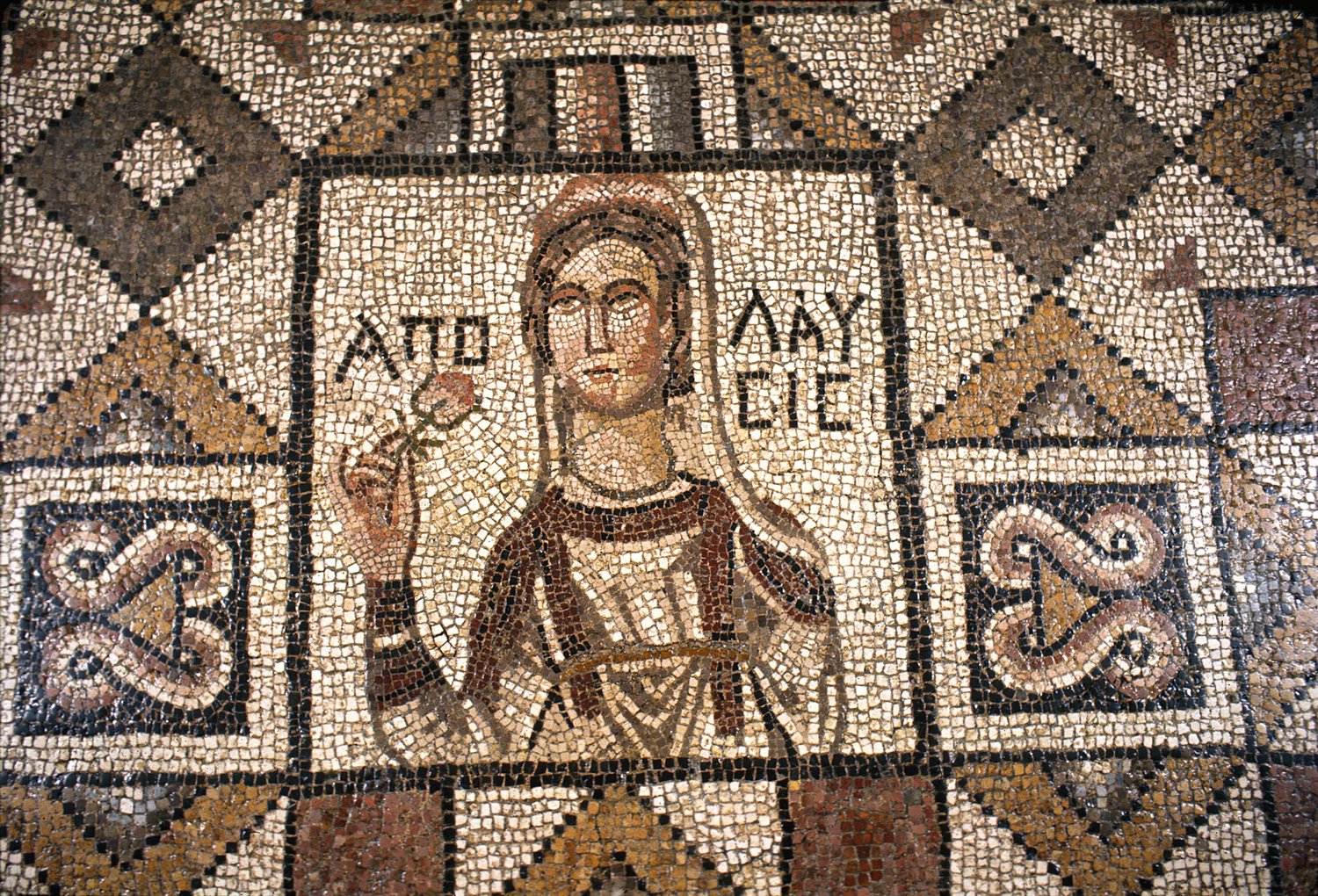
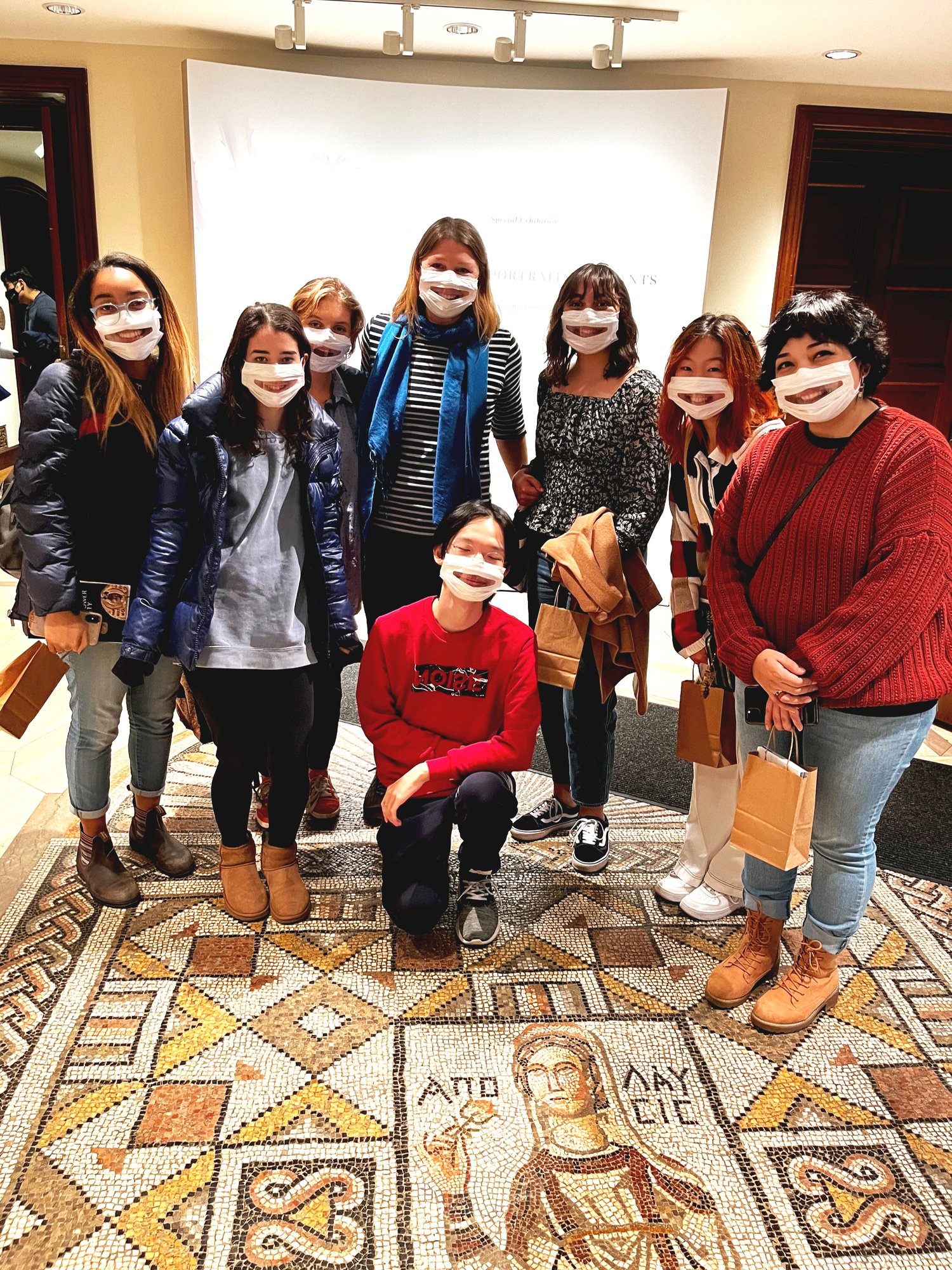
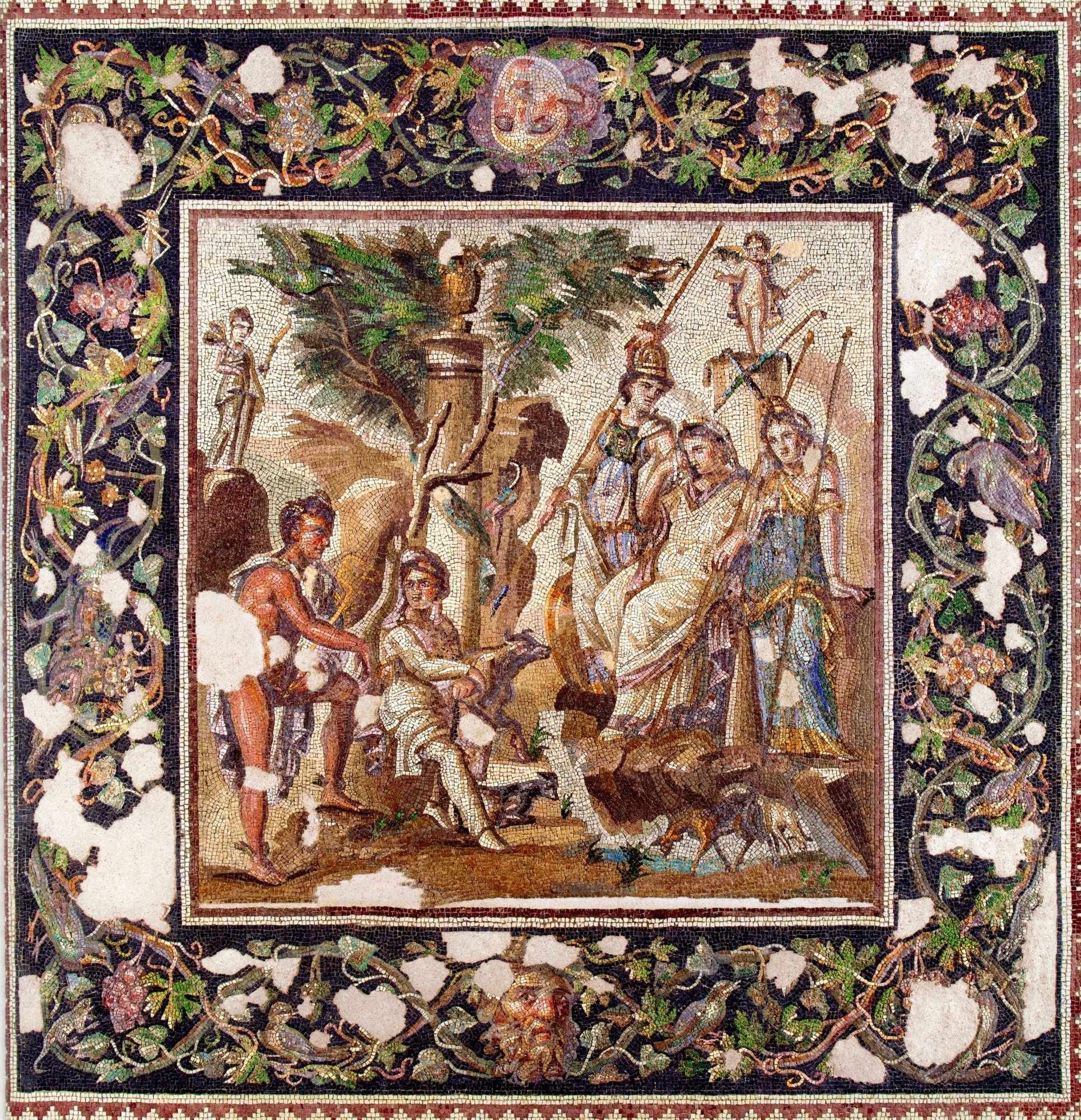
The Judgment of Paris (or the backstory to the Iliad and the Odyssey)
Before the Iliad and the Odyssey, there was the Judgment of Paris, pictured here in a mosaic floor from Daphne (Antioch), now in the collection of the Louvre.
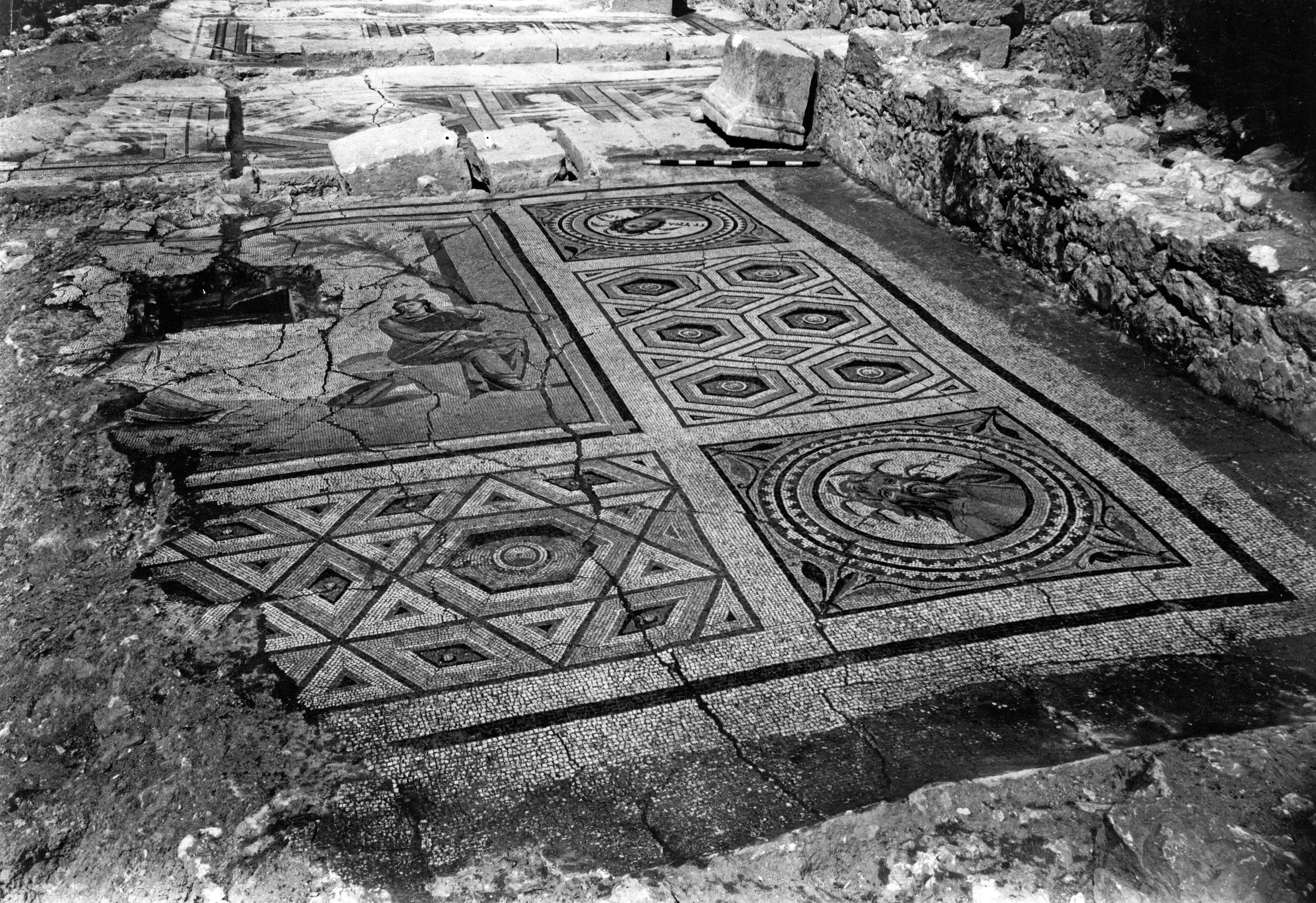
Tracing the Tigris
Abstract: Mosaic floors from the House of Cilicia at Seleucia Pieria, a port near Antioch-on-the-Orontes, depict topographical personifications of the territory of Cilicia framed by those of the rivers Tigris and Pyramus, among other personifications that are now damaged. Fitted together from colorful cut stones, these figural assemblages draw together place-based materials and the personhood of topographical elements. Drawing on legacy data from mosaics excavated in the 1930s and dispersed to institutions across North America, this essay argues that the afterlives of these mosaics remap the environments that they personify in modernity and, thus, craft hyperreal networks of relation to enact forms of distributed personhood.

Antioch Mosaics in Unlikely Places (Morgan Brown, ARP.3)
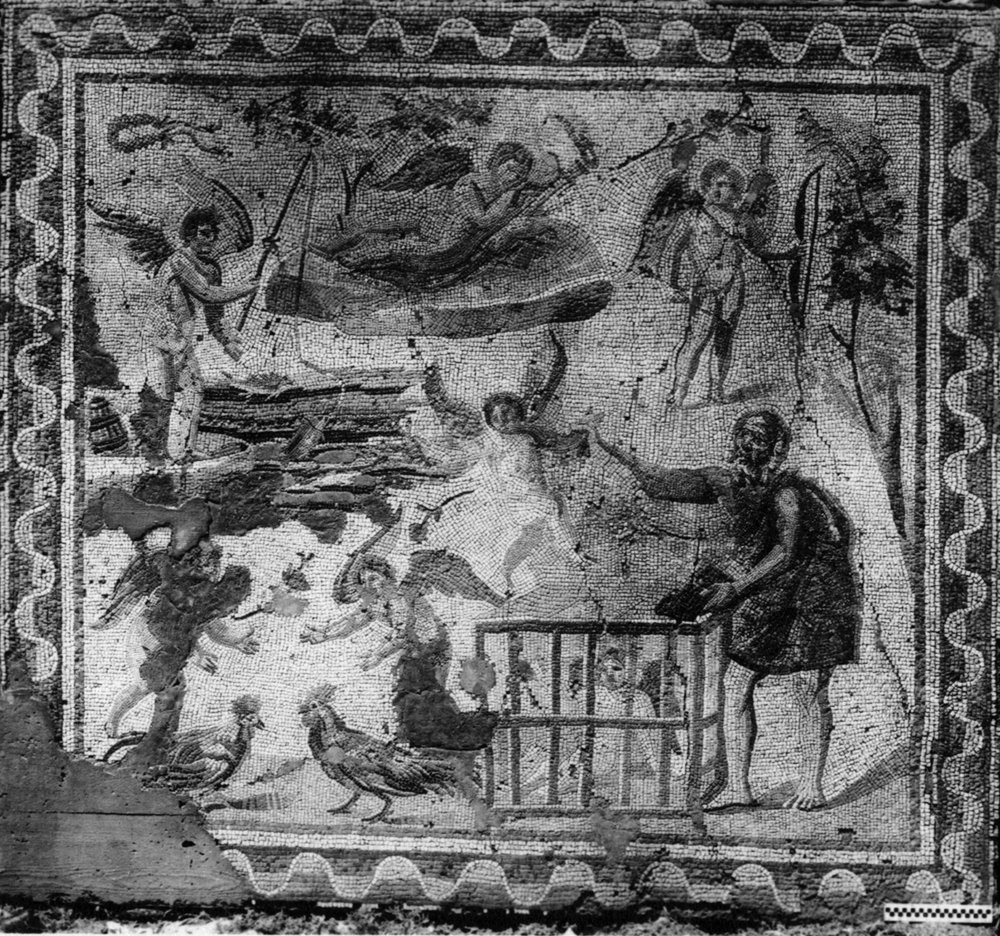
I focused my research project on three Antioch mosaics found in unusual places: the Cilicia mosaic and Interlacing Circles mosaic from the Sam Noble Oklahoma Museum of Natural History and the House of the Buffet Supper Central mosaic from La Universidad Católica de Santo Tomás de Villanueva (Villanova University) (figures 1, 2, and 3). These mosaics are, or were last seen in, Norman, Oklahoma and Havana, Cuba, respectively. I completed field research by visiting Sam Noble to view the two mosaics and talk with the curator, Dr. Claire Nicholas. For the Villanova mosaic, I translated a passage from a yearbook to confirm that a photograph depicts the Antioch mosaic fragments at the university in 1957.


Publicizing the Ancient City: Antioch on-the-Orontes’ Relationship to Baltimore, per 20th-century Newspapers (Jacqueline Rosenkranz, ARP.3)
In a review of C. R. Morey’s 1938 art book entitled The Mosaics of Antioch, the authoring critic argues that “There are a few finds, in the history of archeology, which have instantly captured the attention of the average layman and have become thoroughly publicized and even à la mode” (“New Art Books”, p. 139-40). This comment elicits a few questions. Why did the Antioch mosaics fascinate the “layman” and “instantly capture” public attention? Importantly, what exactly was “thorough” publicity saying to drive this unique engagement?


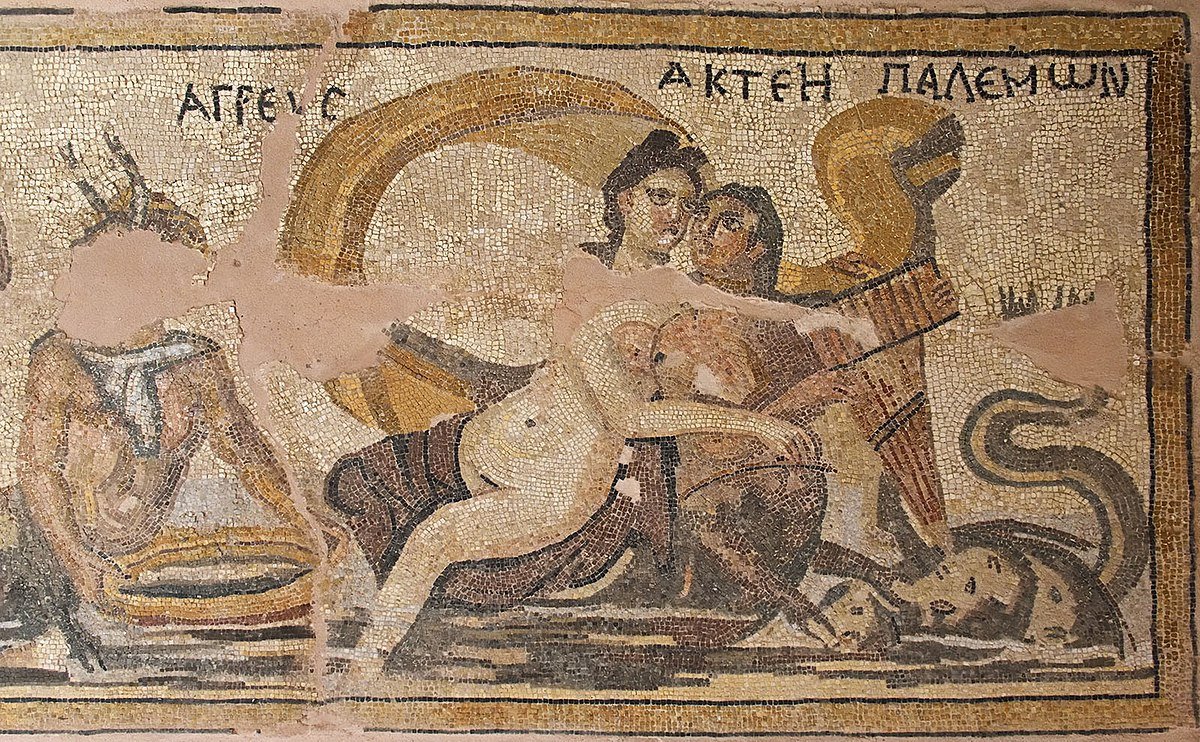
Antiochene Echoes: Transformation and Reformation of Narkisos and Ekhō at Daphne
Students viewing the fragment of a mosaic floor depicting Narcissus and Echo from a balcony overlooking a stairwell in the Baltimore Museum of Art

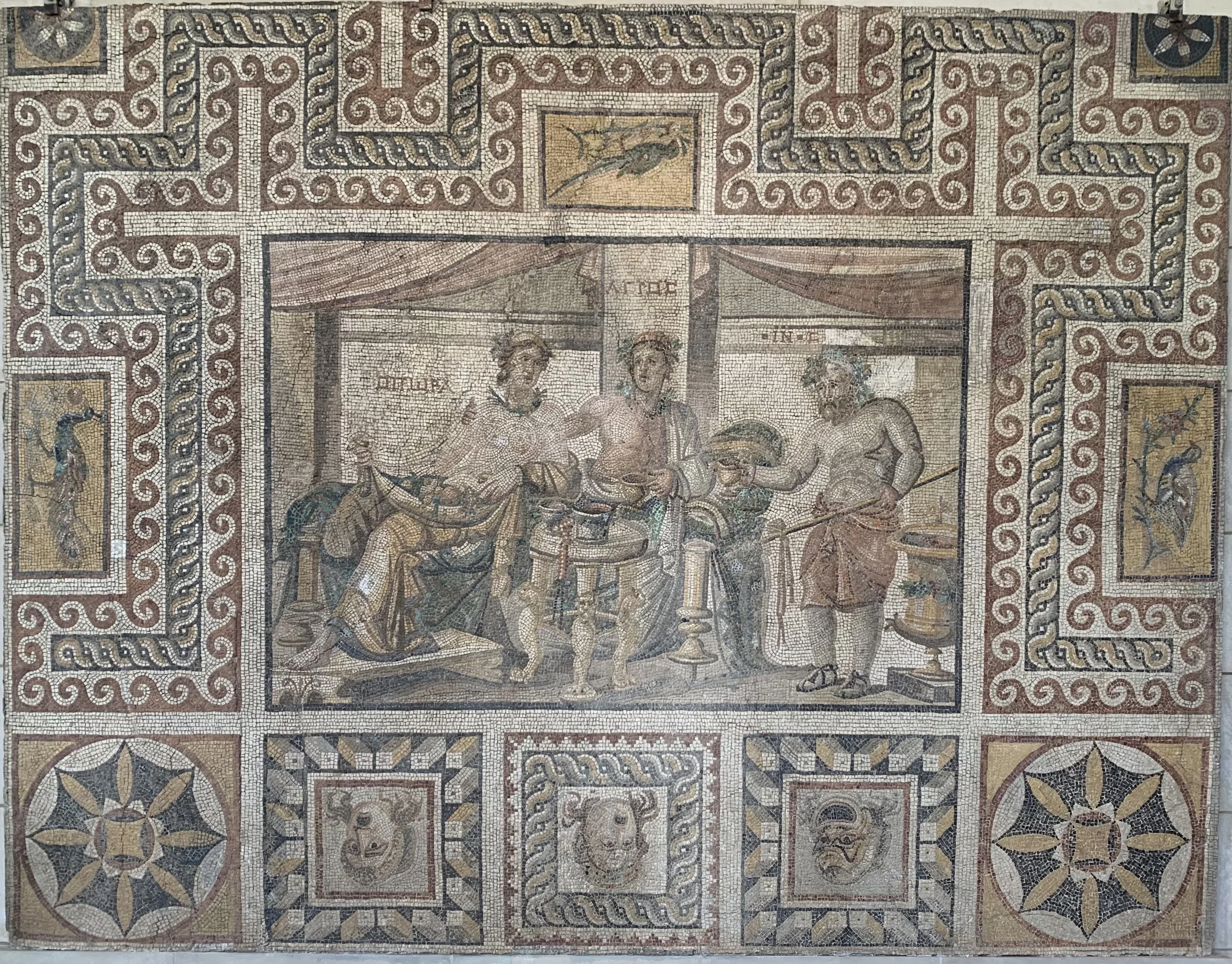
The Mosaic of Opora, Agros, and Oinos at Dinner
Drawing on the theatrical elements of the mosaic
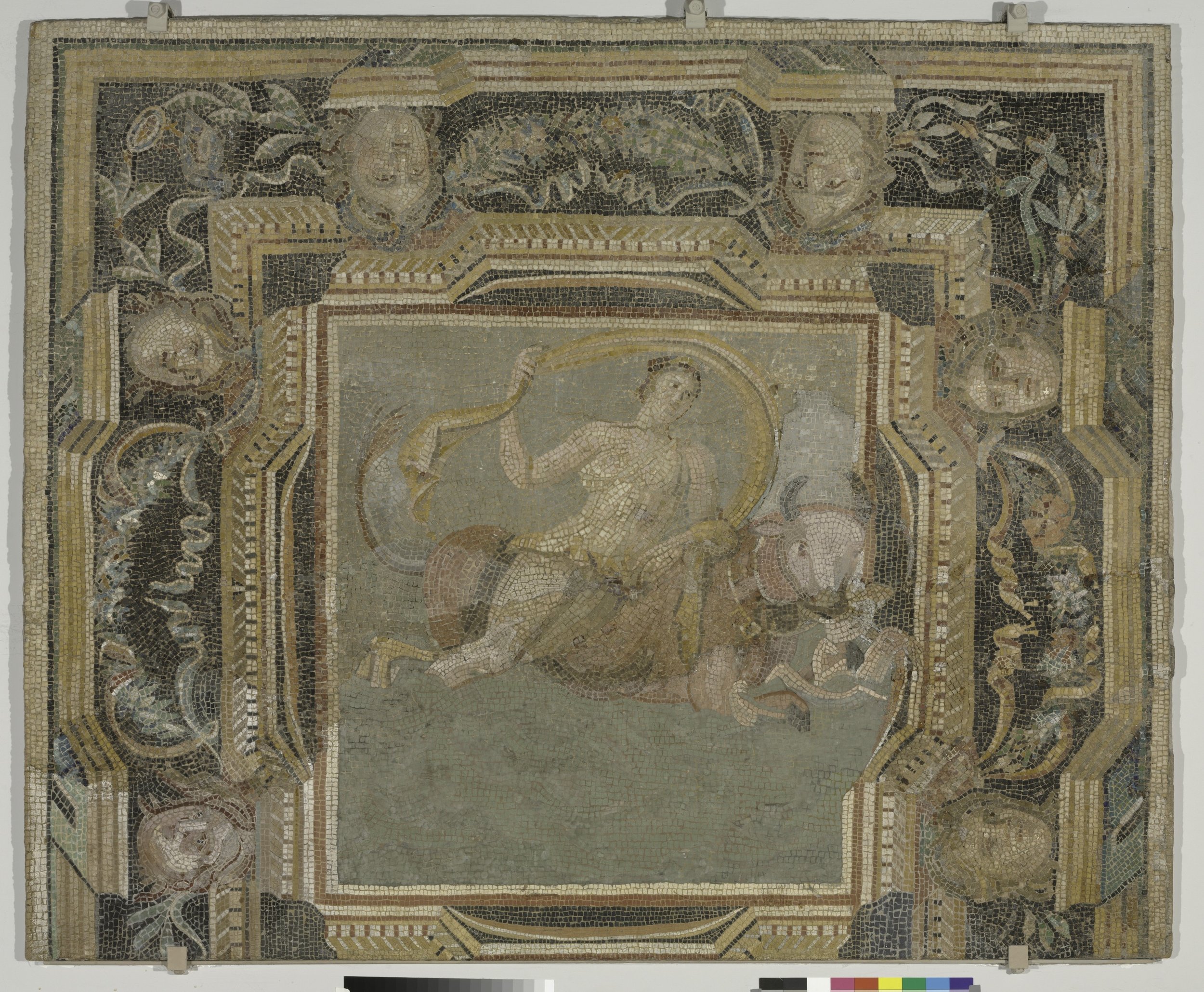
Europa and the Bull
The excavation, conservation, and cultural significance of Europa and the Bull


The Narcissus Mosaic Pavement from The House of Narcissus
Parallels between the Narcissus mosaic and other artwork depicted Narcissus

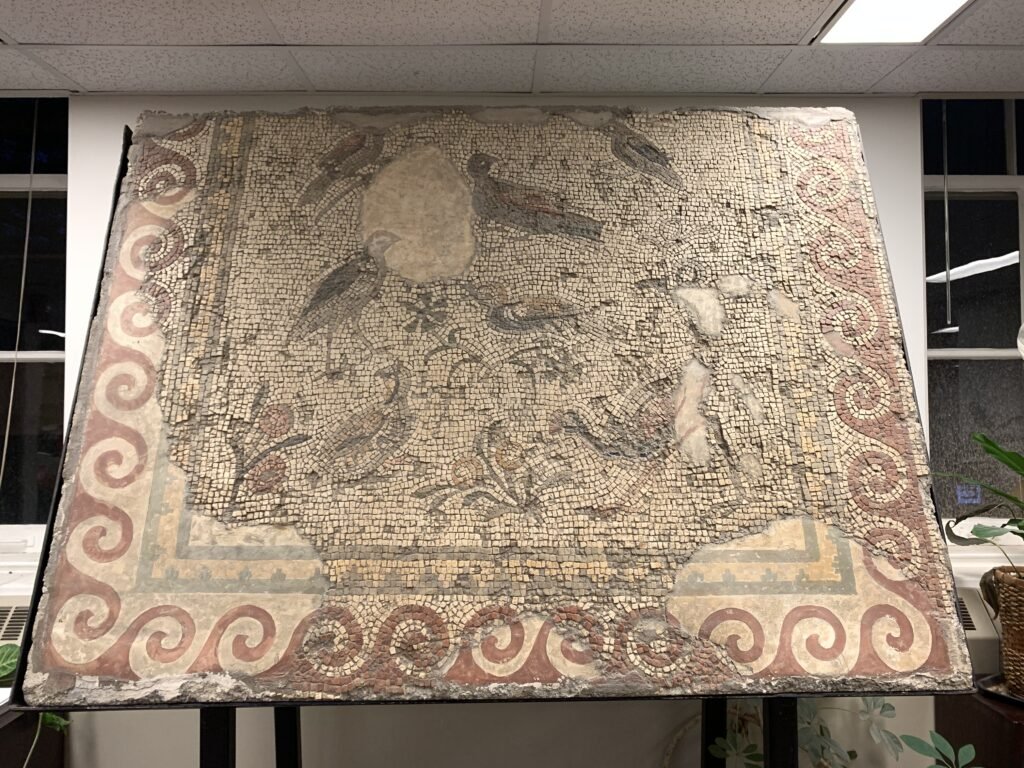
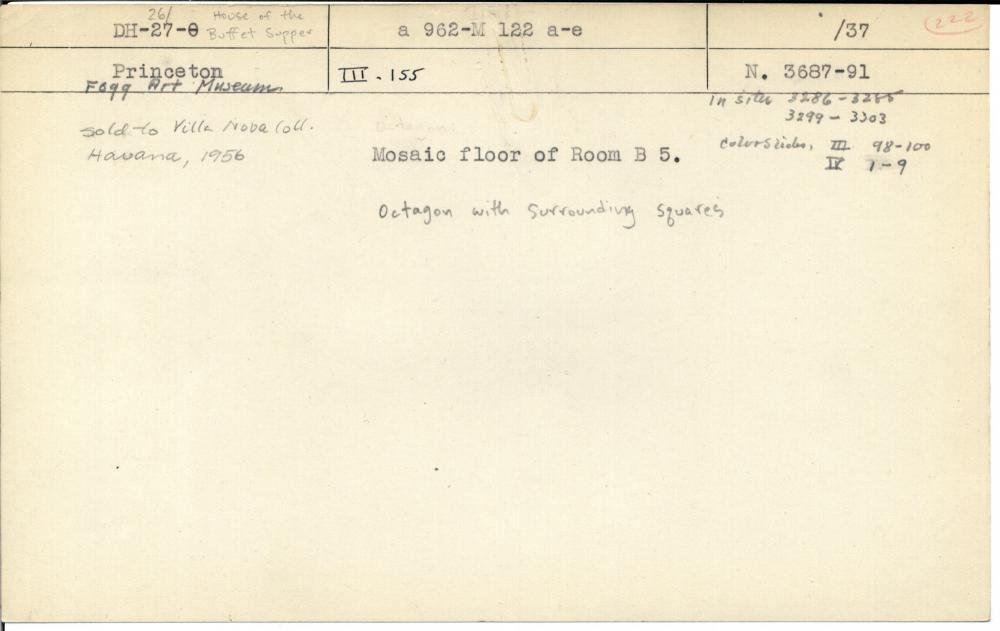
From Baltimore to Havana: Tracking Down the Distribution of Antioch Mosaic
Beginning to track the dispersion of mosaics across the world